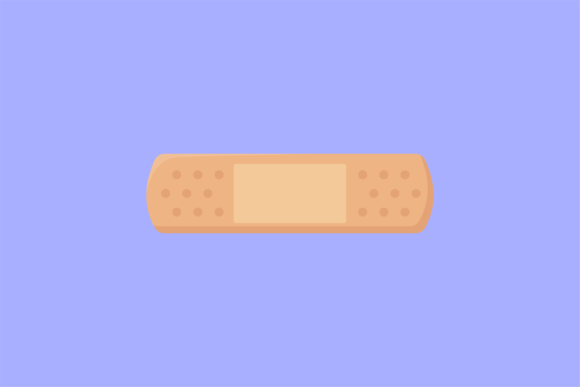
Medical Vector Illustration Graphic 233
As an embroidery designer and product reviewer, I’ve seen my fair share of vector illustrations. But when I came across Medical Vector Illustration Graphic 233, it stood out for its clean lines, professional feel, and versatility. This graphic is ideal for a range of applications—from logos to apparel and beyond. But how does it hold up in real-world embroidery projects? Let’s dive into the details.
First Impressions: A Professional Yet Approachable Design
Medical Vector Illustration Graphic 233 immediately conveys a sense of clarity and precision. The illustration features a medical theme—think stethoscopes, bandages, and symbols of healing—rendered in a minimalist yet detailed style. The layout is balanced, with enough visual interest to stand on its own without overwhelming the viewer. It feels like a design that could be used in both commercial and personal settings, making it a strong candidate for small business owners or Etsy sellers looking for reliable design assets.
The color palette is neutral, which gives it flexibility for different fabric and thread combinations. Whether you're working with light or dark backgrounds, the design adapts well. Its simplicity also makes it easy to modify if needed, especially if you’re using vector software like Adobe Illustrator or CorelDraw.
Real-World Embroidery Performance
I tested Medical Vector Illustration Graphic 233 on several fabrics, including cotton, polyester, and a lightweight denim. The design translated well, with clear stitch paths and manageable detail levels. For custom apparel, such as a sweatshirt or tote bag design, it holds up nicely. The overall shape is large enough to make an impact but not so big that it becomes overwhelming.
When it comes to baby items, like onesies or embroidered patches, the design is appropriate but might benefit from some tweaks. Tiny details, like the edges of the stethoscope or the texture of the bandage, can be challenging to capture in machine embroidery. If you’re planning to use this on a baby garment, consider simplifying certain elements to ensure they come out cleanly after stitching.
For holiday or wedding gifts, the design has potential. It’s subtle enough for a personalized gift but still carries a meaningful message. However, if you're using it on a cap or a curved surface, the design may require some adjustments to maintain its integrity during the embroidery process.
Where to Be Cautious
While Medical Vector Illustration Graphic 233 is versatile, there are a few areas where care is needed. On small hoop sizes, the design may become too dense, leading to skipped stitches or uneven coverage. If you’re working with textured or stretchy fabrics, you’ll want to test it first to ensure the stabilizer holds up under the tension of the machine.
Thin or dark fabrics can also pose challenges. If the design is too intricate, it may not show up clearly against a dark background. Similarly, if you’re working with a fabric that stretches, the design might distort slightly after stitching. Always do a test run before committing to a larger project.
Another consideration is the stitch density. Medical Vector Illustration Graphic 233 uses a mix of satin stitch and fill stitch, which is great for bold designs. However, if you're using it for something like a pillow cover or a kitchen towel, you may want to adjust the density to avoid stiffness or excessive thread usage.
Impact on Visual Appeal and Customer Perception
One of the biggest strengths of Medical Vector Illustration Graphic 233 is how it enhances the visual appeal of any finished product. Whether it's a custom embroidered tote bag or a branded apron, the design adds a touch of professionalism that customers appreciate. It also helps build trust, especially if you're selling handmade products or offering custom embroidery services.
For craft businesses or Etsy sellers, this design can elevate your listings. It’s a great choice for printable mockups or digital product previews, allowing buyers to visualize how the design will look on their chosen item. Plus, its clean aesthetic makes it highly recognizable, which is important for brand consistency.
When it comes to giftability, Medical Vector Illustration Graphic 233 works well for personalized gifts. It’s not overly complex, so it won’t overwhelm the recipient, but it still carries a meaningful message. Whether it’s for a healthcare worker, a new parent, or someone who values wellness, this design has broad appeal.
Practical Designer Notes
If you're planning to use Medical Vector Illustration Graphic 233 in your next embroidery project, here are a few tips to keep in mind:
- Test on scrap fabric first to see how the design looks and behaves on your chosen material.
- Check thread color contrast to ensure the design stands out on your fabric.
- Review stitch density to avoid issues with puckering or uneven coverage.
- Confirm hoop size to make sure the design fits comfortably without distortion.
- Inspect small details like corners and lettering to ensure they’re clear after stitching.
- Test in black and white mockups to see how the design translates without color.
- Compare light and dark fabric backgrounds to determine the best fit for your project.
- Use proper stabilizer to prevent shifting or puckering, especially on stretchy or delicate fabrics.
- Verify licensing before selling finished items or digital products to avoid legal issues.
Overall, Medical Vector Illustration Graphic 233 is a solid choice for embroidery designers, small business owners, and crafters looking for a reliable and adaptable design. It’s not perfect for every project, but with the right adjustments, it can be a valuable addition to your design library.